小泥的「地藏」長周末| A Little Mud Bodhisattva’s Long Weekend: Encountering Ksitigarbha
【羅蘭第一分會 潘青霞】農曆七月三十日是地藏王菩薩的聖誕,恰逢美國勞工節的長周末假期。在這三天假期裡,我到佛光山西來寺參加早課,完整誦讀了一萬七千多字的《地藏菩薩本願經》。通常,星期一的早課是對外放香的,但因應地藏王菩薩的聖誕特別開放,我感到非常珍貴。
根據《地藏菩薩本願經》,地藏王菩薩前世曾是婆羅門女、光目女和國王。我慚愧地承認,自己經常將這些人名混淆。然而,地藏王菩薩發下了「眾生度盡,方證菩提;地獄不空,誓不成佛」的偉大誓願,致力於救度所有苦難中的眾生,尤其是地獄中的眾生,這一誓願廣為人知。
我特別喜歡這個說法:在日本,地藏王菩薩被視為小孩的守護神。傳說中,比父母早去世的孩子因為無法盡孝,而不能渡過三途川(さんずのかわ,日本傳說中認為是分隔陰間與陽世的河流),只能在賽之河原(さいのかわら,冥界的河原)堆石塔供養父母 ,但鬼會將塔弄塌,孩子們只能反覆堆疊。地藏王菩薩憐憫孩子,前往守護他們,讓他們聽經聞法,開啟成佛之路,因此成為保護弱小的信仰對象。
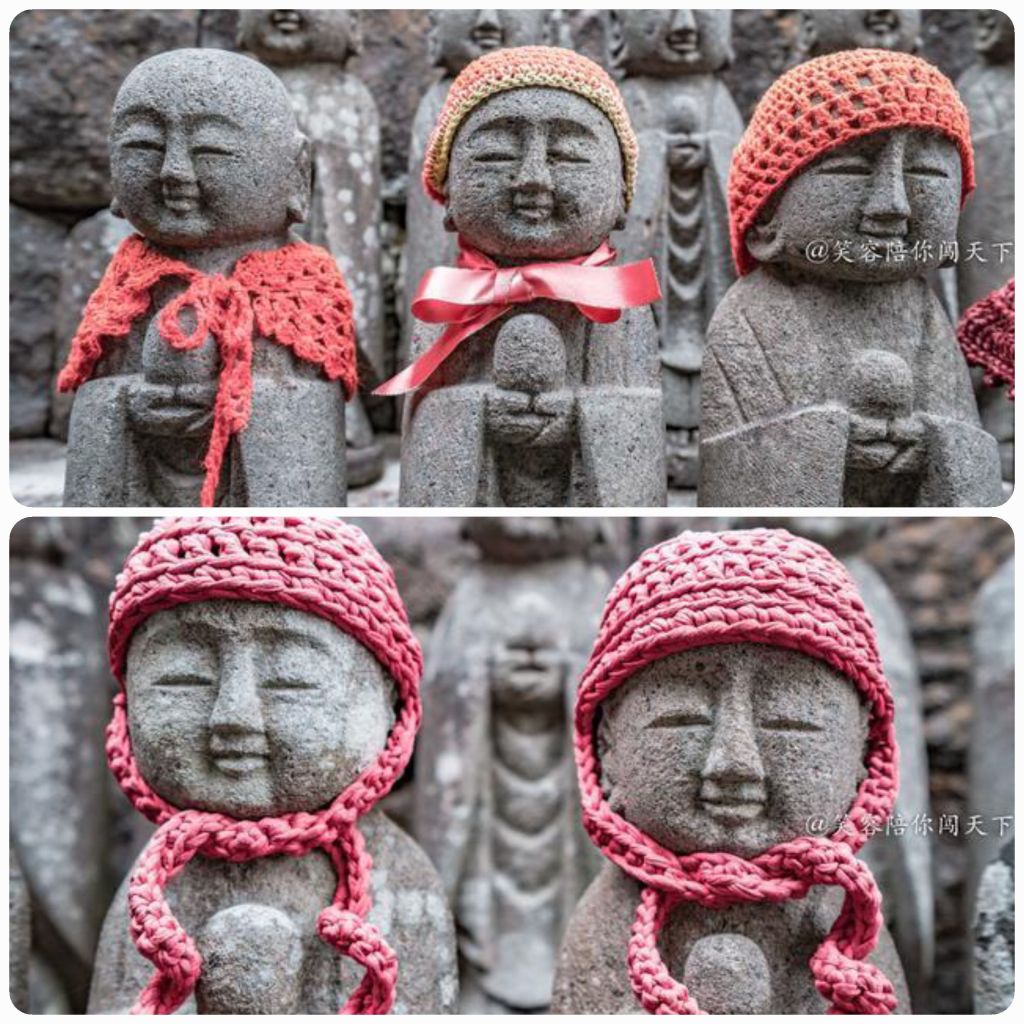
在日本神奈川縣鎌倉市的長谷寺,有許多可愛的地藏小菩薩,這些石雕地藏穿著紅色或橘色的小衣服,表情笑容可掬,有的戴帽子,有的圍圍巾,非常特別。
地獄似乎尚未空,但地藏王菩薩是否已成佛呢?有此一說,祂其實早已成佛,只因發下「地獄不空,誓不成佛」的願力,才化現為地藏王菩薩,繼續救度眾生。這偉大的誓願,成就了祂的佛果!
您敢發願嗎?我承認,我不敢發下這樣的誓願。如果我真是菩薩,那也只是一尊小泥菩薩,過江自身難保。
關於發心與發願,我想到「一佛出世,千佛護持」這句話。有位法師曾用這句話鼓勵我們承擔重任,指出只要發心,必會有好緣相助。然而,我心中不禁疑問:如果大家都只願意做護持的「千佛」,而不願擔任領頭的「一佛」,會是如何呢?佛光山開山祖師星雲大師曾提到「我在眾中,眾中有我」的精神,鼓勵我們在集體中積極互助,這是否意味著我們都應該擔任護持的角色,而非領頭的「一佛」呢?我是否誤解了這句話?也許「我在眾中,眾中有我」這句話是引導我們,在「一佛」與「千佛」的角色間適時切換,兩者同樣重要。
我這小泥菩薩的「地藏」長周末,看來真沒白過!
A Little Mud Bodhisattva’s Long Weekend: Encountering Ksitigarbha
【By Ching Pan from Rowland Heights Subchapter 1】The 30th day of the seventh lunar month marks the birthday of Ksitigarbha Bodhisattva, coinciding with the long Labor Day weekend here in the U.S. From Saturday through Monday, I spent three days at Fo Guang Shan (FGS) Hsi Lai Temple, participating in morning chanting and reciting the The Original Vows of Ksitigarbha Bodhisattva Sutra in its entirety, totaling over 17,000 characters. Normally, Monday’s morning chanting is not open to the public, but it was specially opened for Ksitigarbha’s birthday, making the experience quite precious.
According to the The Original Vows of Ksitigarbha Bodhisattva Sutra, Ksitigarbha Bodhisattva had previous lives as a Brahmin woman, a Bright Eyes Lady, and a king. I admit I often mix up these names, but Ksitigarbha’s vow to save all suffering beings, especially those in hell, is well-known. His vow, “I will not attain Buddhahood until hell is empty,” highlights his immense compassion.
I particularly appreciate this saying: In Japan, Ksitigarbha Bodhisattva is revered as the guardian of children. According to legend, children who die before their parents are unable to fulfill their filial duties and cannot cross the Sanzu River (さんずのかわ, a river in Japanese legend believed to separate the afterlife from the living world). Instead, they are left to stack stones in the afterlife at Sai-no-Kawara (さいのかわら, 賽の河原, considered to be the bank area of a river that flows at the boundary of life and the afterlife, where the spirits of deceased children are thought to go). However, demons often knock down these stone towers, causing the children to endlessly rebuild them.
Moved by their plight, Ksitigarbha comes to protect them, allowing them to hear teachings and find a path to enlightenment. Thus, he becomes a symbol of protection for the vulnerable.
In Hasedera Temple in Kamakura, Kanagawa, Japan, there are many charming little Ksitigarbha statues. These stone figures are dressed in red or orange robes, with some wearing hats and others scarves, and their expressions are delightfully cheerful.
While hell seems far from empty, is Ksitigarbha Bodhisattva already enlightened? There’s a belief that he has attained Buddhahood but manifests as Ksitigarbha to continue his vow of saving beings. This great vow, in fact, has led to his Buddhahood.
Would you dare to make such a vow? I admit, I wouldn’t dare make such a commitment. If I were a Bodhisattva, I would be just a small piece of mud, struggling to cross the river on my own and barely able to manage my own challenges.
Regarding intention and vows, I am reminded of the saying, “When one Buddha appears, a thousand Buddhas support.” A venerable once used this phrase to encourage us to take on significant responsibilities, pointing out that with sincere intention, favorable conditions will naturally arise to assist us.
However, I can’t help but wonder: what if everyone is only willing to be one of the thousand supporting Buddhas, yet no one steps up to be the leading Buddha? Venerable Master Hsing Yun, the founder of Fo Guang Shan Monastery, once spoke of the spirit of “I Am Among the Multitude; Among the Multitude, There I Am,” encouraging us to actively participate and contribute within the collective. Does this imply that we should all take on supporting roles rather than stepping forward to be the leading Buddha?
Am I misunderstanding this concept? Perhaps the phrase “I Am Among the Multitude; Among the Multitude, There I Am” is meant to guide us in flexibly alternating between the roles of the leading Buddha and the supporting Buddhas, emphasizing that both roles are equally important.
As a little mud Bodhisattva, my Ksitigarbha long weekend truly turned out to be worthwhile!
可愛的地藏小菩薩們,戴著帽子與圍巾,展現出溫暖的笑容。(來源:網路)A group of cute Ksitigarbha Bodhisattvas, wearing hats and scarves, each showing a warm smile. (Source: Internet)
如果你問我[您敢發願嗎]?
我也不敢發願。
但我有聽過,有一位法師開示時講過,我們必需得要發願–>有願才有目標,有了目標才有動力,有了動力人生才會向前看。