妙皇法師帶我看梅去 (Venerable Miao Huang Takes Me to See Plum Blossoms)
【羅蘭第一分會 潘青霞撰文】 最近,我莫名地思索起「一成不變」這個成語,它的意思是「事物沒有太多改變,一直都一樣」。如果我們從字面上解釋,將「一成」理解為數學上的「一成」(百分之十),那麼還有九成是有可能會發生變化的,對吧?這九成究竟指的是什麼呢?
出於好奇心,我去查了「一成不變」這成語的出處,原來「一成」不是數學的「一成」,這個成語出自戰國時代的《禮記‧王制》:「凡作刑罰,輕無赦。刑者侀也,侀者成也,一成而不可變,故君子盡心焉。」 意指刑罰一旦裁定,即使只是輕微的小罪,也必須徹底執行,不得赦免;且刑罰一經執行成為事實,後果就不可改變,因此,執行者要特別謹慎,必須特別用心思慮、謹慎執行,以免造成不可挽回的重大錯誤和傷害。
有篇網路文章將一成不變延伸,指出「定業一成不變」,也就是造什麼因,得什麼果,因此人人都要謹言慎行,以智慧行事,不鑄下「一成不變」的悔恨!此人應該是有慧根的學佛者,相比之下,我只在「一成與九成」間胡思亂想,這不變的一成是什麼?會變的九成又是什麼呢?
我還沒有清楚的答案,目前唯一可以肯定的是,變與不變還挺有趣的,例如「世間唯一不變的,就是一直在變」這句話否定了「一成不變」的存在,還有多數人討厭「一成不變」,一成不變代表無聊與無趣,總結一字—「膩」,您是嗎?
定業到底是不是一成不變,這非常值得探討,我也有話要說,但不是此篇的主題,故在此略過。
我覺得很有趣的是,多數人討厭一成不變的生活,但是希望所愛的人的心意永遠不變,又不能保證自己不會變心。
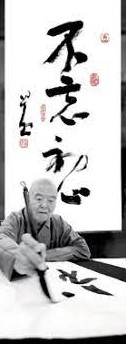
「一成不變」似乎在世俗的人眼中,看來很可怕,或是不合時宜,因為我們總是在求新求變!不管自願與否,這就是時代的潮流吧?但以修行者來說,在瞬息萬變的人世中,道心能夠至始至終一成不變,數十年如一日,多麼難得可貴,這也就是為什麼佛光山開山祖師星雲大師叮嚀「不忘初心」吧?
前陣子我跟佛光山西來寺義工組輔導法師妙皇法師唉唉叫了一番,因為我對很多一成不變的事情覺得很膩,永遠都耐心無限的妙皇法師開導我,她說:
「我能理解您所說的『膩』,對於從出家、生活在佛光山、再來到西來寺,總共20幾年的我所體驗到的是,『膩』代表從新鮮回歸平常、平凡、平淡,當凡事都變得例行,這時候如何讓咱的心念繼續保持熱忱、熱心,這當中有一個關鍵。
其實,參與類似甚至周而復始的活動,還是能在其中產生不同的心情與感想,並結出不同的人緣,這當中還是充滿『有趣』 的空間的。
總之,『尋常一樣窗前月,才有梅花便不同』(出自宋朝杜耒的詩作《寒夜》) 。每個人都要用生命活出自己的梅花,而梅花是開在平凡的日子裡喔!」
我想,「梅花」是個比喻也是關鍵,生命有了梅花,就能夠無入而不自得吧?梅花到底是什麼呢?是無堅不摧的信仰嗎?梅花是「問渠哪得清如許,為有源頭活水來」(出自宋朝朱熹的詩作《觀書有感》)的活水吧? 梅花是我在找的那不變的「一成」嗎?
不過,我似乎在向外找「梅花」,妙皇法師說的是每個人都要用生命「活出」自己的梅花,這是向內的,那麼,梅花是教授《 楞嚴經》 十年的妙皇法師,她在課堂總諄諄叮嚀,那如如不動又充滿力量,一直都在那、本自俱足的「真心」吧?我向外尋找梅花,好像是本來無一物,何處惹塵埃? 不用找,它一直都在那,只要您看見。
謝謝妙皇法師帶我看梅去,也祝福大家活出您的梅花!
Venerable Miao Huang Takes Me to See Plum Blossoms
Recently, I’ve been pondering the idiom “一成不變” (yī chéng bù biàn). It means nothing much changes; always the same. If we interpret it literally, considering “一成” (yī chéng) as the mathematical “one-tenth” (ten percent), then isn’t there still the possibility of the remaining nine-tenths to change? What exactly are these nine-tenths?
Out of curiosity, I looked up the origin of the idiom “一成不變” ( yī chéng bù biàn, unchanging ). It turns out that “一成” (yī chéng) doesn’t refer to mathematical one-tenth but rather to the principle that once a punishment is decreed, even for minor offenses, it must be executed thoroughly without the possibility of pardon. Therefore, careful consideration and meticulous execution are necessary when facing such situations to prevent irreversible mistakes and harm. This idiom originates from the chapter “Wang Zhi” (“Institutions of the Great State”) in the book “Li Ji” (“Record of Rituals”) during the Warring States period in China.
An online article extends the idiom “一成不變” (unchanging) to introduce the concept of “定業一成不變” (“established karma remains unchanged”), highlighting the principle of cause and effect. Therefore, everyone should speak and act cautiously, employing wisdom to avoid the regret of creating an unchanging situation. This person is likely a wise Buddhist practitioner. In contrast, I find myself amusingly pondering between the “one-tenth and nine-tenths”: what does the unchanging one-tenth represent? And what are the changing nine-tenths?
I don’t have a clear answer yet. The only thing I can affirm at the moment is that the dynamics of change versus constancy are quite intriguing. For example, the saying “the only constant in life is change” negates the existence of “unchanging,” and most people dislike the idea of “unchanging” as it implies boredom and lack of interest, summed up in one word: “tedious.” What about you?
Whether established karma truly remains unchanged is a topic worthy of exploration. I also have something to say about it, but it is not the main theme of this article, so I will skip it for now.
I find it interesting that while most people dislike a life of unchanging routine, they hope that the feelings of their loved ones remain constant, even though they cannot guarantee that they themselves won’t change.
“Unchanging” seems daunting to worldly people, or even outdated, as we are always seeking novelty and change! Whether voluntarily or not, this seems to be the trend of the times, doesn’t it? However, for practitioners, amidst the ever-changing world, maintaining an unwavering heart is remarkably rare and valuable, consistent over decades. This is precisely why Venerable Master Hsing Yun, the founder of Fo Guang Shan, admonishes us to “Never Forget One’s Initial Aspiration,” isn’t it?
A while ago, I had a heartfelt conversation with Venerable Miao Huang, the Guiding Venerable of the volunteer group at Fo Guang Shan Hsi Lai Temple, because I found many unchanging things tedious. Ven. Miao Huang, who always patiently guides me, said:
“I understand what you mean by ‘ tedious.’ From being ordained, living at Fo Guang Shan monastery in Taiwan, and coming to Hsi Lai Temple in the USA for over 20 years in total, what I’ve experienced is that ‘ tedious ‘ represents a return from excitement to the mundane, ordinary, and plain. When everything becomes routine, that’s when we must keep our enthusiasm and warmth alive. There’s a key to this.
In fact, participating in similar or repetitive activities can still generate different feelings and insights, and foster different relationships. There’s still ‘fun’ to be found in it.
In summary, ‘The moon outside your window is ordinary, but with the presence of plum blossoms, it becomes extraordinary.’ (From the poem “Cold Night” by Du Lei, Song Dynasty) Everyone must live out their own plum blossoms in their ordinary days!”
I believe “plum blossom” serves as both a metaphor and a key aspect. With plum blossoms in life, one can find contentment everywhere, right? What exactly is the plum blossom? Is it an unbreakable faith? Is the plum blossom the “clear, flowing water” that comes from its source? “Where else can the water be so clear, if not from the source itself?” (From the poem “Reflections While Reading” by Zhu Xi, Song Dynasty) Is the plum blossom the unchanging “one-tenth” I am seeking?
However, it seems like I’m searching for “plum blossoms” externally. Ven. Miao Huang says everyone must “live out” their plum blossoms with their lives. This is internal. So, is the plum blossom the “True Mind” or “Intrinsic Nature” that Ven. Miao Huang, who has been teaching the “Shurangama Sutra” for ten years, constantly emphasizes in class? The unwavering strength, full of power, always there, inherently complete? Am I looking outside when inherently, there’s nothing to find? There’s no need to search; it has always been there, as long as you can see it.
Thank you, Ven. Miao Huang, for taking me to see the plum blossoms, and I wish everyone can live out their own plum blossoms!

太棒了👏感謝此文章,讀完給我的很深的感觸:每天的生活都是一樣,唯有找出每天不同的梅花,這才能活出90%人生的樂趣!謝謝🙏!